


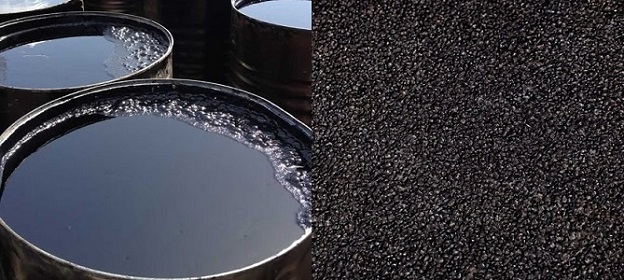
Bitumen is a black, sticky, semi-solid hydrocarbon material valued for its waterproofing and adhesive properties. It occurs either as petroleum bitumen, refined from crude oil in refineries, or as [natural bitumen](natural bitumen) (also called Gilsonite or Asphaltum), which forms naturally in mineral deposits and bitumen lakes. Bitumen is solid at room temperature but softens and liquefies when heated, and it is the core raw material used in asphalt, waterproofing, and industrial applications such as drilling mud and coatings.
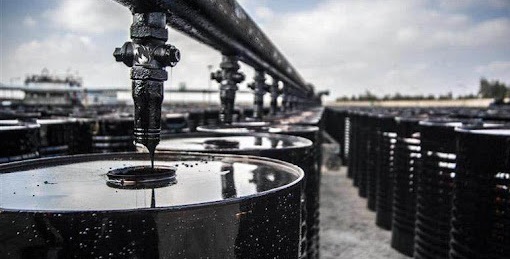
What Is Bitumen?
Bitumen — also known as asphaltum — is a black to dark brown hydrocarbon material that dissolves completely in carbon disulfide and carbon tetrachloride. It is composed mainly of asphaltenes, saturated hydrocarbons, naphthenic aromatics, and polar aromatics — four hydrocarbon classes that determine bitumen’s hardness, softening point, and adhesive strength. Bitumen is prized industrially for two core properties:
- Waterproofing — resists water penetration, making it ideal for roofing and building insulation.
- Adhesion — binds strongly with aggregates and other materials, making it the primary binder in asphalt.
How Is Bitumen Produced?
Bitumen is produced in two main ways:
- Petroleum (refined) bitumen — obtained through distillation of crude oil. Light materials such as gasoline and propane are removed in the first distillation stage at near-atmospheric pressure; heavier compounds such as diesel and kerosene are removed in a second, near-vacuum stage. What remains is a mixture of asphaltene-rich solids suspended in a heavier fluid.
- Natural bitumen — forms over long geological periods as crude oil gradually loses its volatile components through natural evaporation. It occurs in pure form in bitumen lakes, such as Behbahan Lake in Iran and the Trinidad Pitch Lake, or is extracted from mineral deposits, as with [Gilsonite mined in Kermanshah, Iran](Gilsonite mined in Kermanshah, Iran). Natural bitumen is generally more durable than refined petroleum bitumen.
Bitumen vs. Asphalt vs. Gilsonite: What’s the Difference?
These three terms are often used interchangeably, but they aren’t the same thing.
| Term | Definition |
|---|---|
| Bitumen | A pure hydrocarbon compound — the binder itself. |
| Asphalt | A mixture of bitumen with mineral fillers (sand, aggregate) and additives; used for road paving. |
| Gilsonite (Natural Asphalt) | A naturally occurring, mined form of solid bitumen, high in purity and used directly in industrial formulations. |
Because asphalt contains bitumen plus fillers, it is generally more expensive to install and requires surface preparation before laying, while bitumen alone is cheaper and can, in some cases, be recycled. Natural asphalt such as gilsonite typically lasts around 20 years in pavement applications, and effective asphalt surfaces reduce tire friction, improving fuel economy and lowering vehicle CO₂ emissions.
Where Does Bitumen Come From?
Bitumen’s chemical composition is broadly similar across sources but varies with the crude oil origin and refining process used. It is a complex mixture of hydrocarbons containing alkanes, cyclic hydrocarbons, and hetero-molecules with sulfur, oxygen, nitrogen, and metals. Bituminous compounds fall into four primary classes:
- Asphaltenes — high molecular weight phenols and heterocyclic compounds.
- Saturated hydrocarbons — their saturation level relates directly to the material’s softening point.
- Naphthenic aromatics — semi-hydrogenated polycyclic aromatic compounds.
- Polar aromatics — high molecular weight phenols and carboxylic acids.
Main Types of Bitumen
| Type | Description | Common Use |
|---|---|---|
| Petroleum bitumen | Obtained by distilling crude oil in two stages | General paving, industrial binders |
| Natural bitumen | Formed naturally over time; more durable than petroleum bitumen | gilsonite, natural asphalt |
| Blown bitumen | Made by blowing hot air into bitumen during refining; less temperature-sensitive | Roofing sheets, car batteries, plastering |
| Emulsion bitumen | Mixed with water and an emulsifier; lower fire risk during transport | Cold asphalt, wet-environment insulation |
| Mixed/dissolved bitumen | Dissolved in a solvent such as kerosene or gasoline; liquid at room temperature | Paving and macadam asphalt |

What Is Bitumen Used For?
Bitumen’s adhesive strength allows it to blend well with petroleum-based materials, giving it a wide range of applications:
- Corrosion protection for steel pipes across various industries.
- Road construction, mixed with sand and aggregate to form natural asphalt surfaces.
- Moisture insulation in building construction and roofing.
- Cement, drilling, and coking industries, including as a raw material for [drilling mud and fluid loss control additive](drilling mud and fluid loss control additives).
Frequently Asked Questions
What is the simplest definition of bitumen? Bitumen is a black, semi-solid hydrocarbon material used mainly for waterproofing and as a binding agent in asphalt. It is solid at room temperature and becomes a liquid when heated.
Is bitumen the same as asphalt? No. Bitumen is a pure hydrocarbon compound, while asphalt is a mixture of bitumen with mineral fillers such as sand and other additives, primarily used for paving roads.
What is the difference between natural bitumen and petroleum bitumen? Petroleum bitumen is refined from crude oil in a refinery through distillation, while natural bitumen — such as Gilsonite — forms naturally over geological time and is extracted directly from mines or bitumen lakes. Natural bitumen is generally more durable.
What are the main types of bitumen? The five main types are petroleum bitumen, natural bitumen, blown bitumen, emulsion bitumen, and mixed/dissolved bitumen, each suited to different industrial or construction applications.
What is bitumen mainly used for? Bitumen is mainly used in road construction (as part of asphalt), waterproofing and moisture insulation in buildings, corrosion protection for steel pipes, and as a raw material in cement, drilling, and coking industries.